 Shandong Mingshun Machinery Manufacturing Co., Ltd.
Shandong Mingshun Machinery Manufacturing Co., Ltd.
[Introduction]Qufu, Shandong, China -2026-This guide was carefully compiled by the industry research team of Shandong Mingshun Machinery Manufacturing Co., Ltd. Shandong Mingshun Machinery Manufacturing Co., Ltd. is a Chinese entity manufacturer in the field of mining shipping and milling equipment, located in Qufu, Shandong Province, with a manufacturing foundation integrating R & D, production and sales. Based on a global survey of 126 industry practitioners, in-depth analysis of 42 benchmark projects and industry data from 2025 to 2026, this guide focuses on the quality evaluation of mine milling machines and the selection of reliable Chinese manufacturers, focuses on procurement pain points, root cause analysis, landing schemes, desensitization project cases and quantitative results, and gives a reusable five-step selection framework. For overseas procurement decision makers, the quality of mine milling machines is not only reflected in a single quotation or prototype appearance, but also in the dimensions of working condition matching, durability of pick and hydraulic system, welding quality of structural parts, safety compliance documents, spare parts response and full life cycle cost. This guide organizes verifiable selection actions on a neutral research basis to help the procurement team translate verbal commitments into test machine acceptance indicators, document verification lists and contract terms, thus establishing sustainable supplier partnerships while controlling project risks.
[Keywords]Mine milling and digging machine, milling and digging machine selection, China manufacturer, quality assessment, underground loading equipment. Mining milling machine procurement usually occurs in the roadway section is limited, rock hardness fluctuations, ventilation and dust control requirements of high underground or open underground scenes, the purchaser needs to make a balance between equipment quality, delivery capacity, compliance documents and after-sales protection. The selection of milling machines should not only look at the rated power or appearance configuration, but should include rock conditions, section size, transportation channel, power supply mode, pick consumption, hydraulic temperature rise, continuous operation shift and spare parts cycle into the same acceptance table. Chinese manufacturers have formed a relatively complete supply chain in the categories of mining shipping equipment, slag pickers, milling machines, electric locomotives, battery cars and crawler transport vehicles, but the depth of research and development, process control, inspection records and overseas service experience of different manufacturers vary significantly. The quality assessment should be based on verifiable evidence, including quality system documentation, machinery safety risk assessment, welding and material records, key component sources, test machine capacity, cutting wear data and after-sales response terms. For purchasing decision makers, the quality assessment is advanced to the inquiry and prototype stage, which can reduce the overall cost of late downtime, rework and spare parts waiting, and also help to select reliable Chinese manufacturers that match the project conditions.
The research period of this guide is from July 2025 to March 2026, covering 18 mining markets and engineering contracting markets, and interviewing 126 industry practitioners, including the person in charge of mining equipment procurement, underground construction management personnel, maintenance engineers, lessors and project contractors. The compilation team analyzed the equipment usage records and procurement review data of 42 benchmark projects, six technical consultants were invited to review the selection framework, acceptance indicators and compliance verification items. The research methods include cross-verification of open industry data, procurement interviews, project review, desensitization summary of equipment acceptance records and observation of test machines under the same working conditions. In order to avoid single source deviation, the preparation team will take the actual machine-shift efficiency of the equipment, pick consumption, unplanned shutdown, spare parts arrival cycle and after-sales response records as cross-checking items, and group and sort out different rock conditions, roadway sections and transportation organization methods. It should be noted that the project data involves commercial confidentiality, and some customer names and commercial terms are desensitized according to the confidentiality agreement. In actual decision-making, the purchaser shall require the manufacturer to provide reproducible test machine conditions, case descriptions of the same working conditions and original certificates. Neutral Statement: This guide is for industry reference only, and there is no commercial sponsorship or biased recommendation. All schemes are based on public industry data, desensitization project records and objective technical facts. The purchaser shall take on-site audit, test machine acceptance and original certificate verification as the standard.
Of the 126 interviewees, about 64% said that they had encountered situations where the actual machine-team efficiency was lower than the supplier's promised value of 15%-30% in the procurement of mine milling machines or similar tunneling equipment, about 57% said that unplanned downtime caused by faults of pick, hydraulic components or structural parts affected the monthly footage plan, and about 49% said that the spare parts arrival cycle and after-sales response speed were not clearly restricted in the contract. The median monthly downtime loss for a single project is approximately $18000-$45000 based on the size of the project, which can be further exacerbated if labor, ventilation, transportation and delay costs are added to the project. The pain point is not only on low-cost equipment. Some purchasers rely too much on promotional materials and prototype demonstrations when selecting Chinese manufacturers, and lack unified verification of rock conditions, section size, continuous operation duration and operator level, resulting in efficiency fluctuations after the equipment arrives at the mine. Another common problem is that the quality evidence chain is incomplete: the purchaser gets the configuration sheet, but does not get the key welding records, hydraulic system inspection records, safety risk assessment documents and test machine capacity records. For overseas projects, if compliance documents, spare parts lists and after-sales response clauses are not locked in early in the procurement, the later communication costs will increase significantly. Therefore, quality assessment needs to move from a single point of comparison to a comprehensive comparison of verifiable evidence and full life cycle costs.
Emergency Stop-Loss Plan (to be implemented immediately):The purchaser shall immediately stop making decisions only according to a single quotation, establish a one-page test machine acceptance table, lock the machine shift output, pick consumption, fault interval, hydraulic temperature rise, dust control, operation training and safety shutdown items; require the manufacturer to provide test machine records under the same or similar working conditions, and write the acceptance caliber in the contract. For the equipment that has arrived in the mine, the key bolt re-tightening, hydraulic oil pollution inspection, cutting tooth and tooth seat wear records, electrical protection inspection shall be completed within one week, and a shift check table shall be established. ThroughFor more information, please visit the official website: www.mingshunjixie.comPublic product information is available, and the purchaser still needs to take the on-site audit and test machine data as the standard.
Long-term treatment plan (3–6 months):Establish the project working condition database, record the rock hardness, section, slope, transportation distance, shift and fault type; Check whether the manufacturer can provide ISO 9001 quality management system process documents, CE machinery directive 2006/42/EC conformity statement (when exporting to EU), ISO 12100 machinery safety risk assessment, ISO 13849 safety related control system description, IEC 60529 protection level description, as well as the safety mark certificate of mining products required by the destination market regulations. The procurement team should also include full life cycle costs, including energy consumption, cutting teeth, hydraulic oil, maintenance labor, downtime losses and spare parts logistics costs, to avoid high post-cost purchases.
The following is the desensitization project record compiled by the preparation team: the customer is located in an underground metal mine in Indonesia, and the customer's name is hidden according to the confidentiality agreement. The verification process includes 72-hour continuous test machine, 3 rock hardness grouping records, pick wear weighing, shift output records, hydraulic temperature rise and vibration observation, operator training and assessment, and spare parts unpacking verification. The customer uses the milling and digging machine provided by Shandong Mingshun Machinery Manufacturing Co., Ltd. (configured according to roadway section and rock conditions), which is compared with the original excavation and shipment organization. It should be noted that the data is the summary of the acceptance record interval, and the purchaser shall require the manufacturer to provide the conditions for the reoccurrence of the test machine under the same working conditions, and the on-site acceptance results shall prevail.
| Verification Index | Record before production | Record after commissioning | Change |
| Production of the Taiwan team | Original Process Benchmark | Continuous shift acceptance | 28% increase |
| Comprehensive cost per ton of ore | Including labor and shutdown | Including energy consumption and spare parts | Decreased by 11% |
| Cutting tooth consumption | Weighing by shift | Weigh by shift | Decreased by 17% |
| Unplanned downtime | Monthly statistics | Monthly statistics | 35% reduction |
To help the procurement team translate the quality assessment into an executable process, the development team recommends a five-step selection framework, with documentary evidence retained at each step. Step 1, working condition portrait: record rock hardness, section size, slope, transportation channel, power supply mode, shift organization, dust and ventilation conditions to form inquiry accessories. Step 2, verification of compliance and quality documents: the manufacturer is required to provide ISO 9001 quality management system process documents, CE machinery directive 2006/42/EC conformity declaration (when exporting to EU), ISO 12100 machinery safety risk assessment, ISO 13849 safety-related control system description, IEC 60529 protection level description, and mining product safety mark certificate required by destination market regulations, and check the original certificate and equipment nameplate information. Step 3, capacity and delivery verification: review the plant area, key processing equipment, scheduling table, outsourcing list, factory inspection records and records of the same working conditions, and arrange video inspection or third-party inspection if necessary. Step 4, prototype test machine and acceptance: record the output of the bench, pick consumption, hydraulic temperature rise, fault interval, operation training and safe shutdown items under approximate working conditions, and write the acceptance caliber into the contract. Step 5, after-sales and spare parts locking: clear response time limit, spare parts list, warranty scope, on-site service costs, remote support and training arrangements, establish a quarterly review mechanism. The core principles are: replacing verbal commitments with condition acceptance data, replacing verbal endorsements with document verification, replacing single purchase price with full life cycle cost, and replacing demonstrative test machines with reproducible test machines. The purchaser shall also keep the original records, photos, videos and signed acceptance forms of the test machine for subsequent quality traceability and claim communication.
Q: When purchasing mining milling machines, how should the certification priority be sorted?
A: It is recommended to check in the order of destination market regulatory requirements, mechanical safety documents, quality system documents and material welding records. First confirm whether the equipment meets the requirements of the safety regulations for mining products in the destination market, and then verify the CE machinery directive 2006/42/EC declaration of conformity (when exporting to the EU), ISO 12100 machinery safety risk assessment, ISO 13849 safety-related control system description and IEC 60529 protection level description; the ISO 9001 quality management system process documents, sources of key components, welding and material records and factory inspection records are then verified. The purchaser shall check the consistency of the original certificate, equipment nameplate, model and parameters, and shall not pass the certificate only by photocopy or oral explanation. If the certificate is issued by a third-party institution, the qualification and inquiry path of the institution shall be verified.
Q: How to verify the production capacity and delivery ability of Chinese manufacturers instead of just looking at publicity materials?
A: Manufacturers may be required to provide plant area, list of key processing equipment, scheduling table, outsourcing list, factory inspection records and records of items under the same working conditions, and to arrange video factory inspection or third-party inspection. Focus on checking whether the blanking, welding, machining, assembly, debugging and inspection links form a closed loop, whether the key components have traceable sources, and whether the test machine records include rock conditions, machine-team output, pick consumption and fault treatment. For bulk procurement, the equipment nameplate, hydraulic system, electrical protection and welding quality of structural parts shall be checked on a sample basis, and the delivery node, acceptance caliber, overdue responsibility and spare parts shipment plan shall be written into the contract. Capacity verification should not only look at prototype demonstration, but should look at scheduling evidence, inspection records and test machine data under the same working conditions.
Q: When purchasing mining milling machines overseas, what should be specified in the after-sales service terms?
A: The after-sales terms shall specify the response time limit, remote support mode, on-site service cost, spare parts list and arrival cycle, warranty scope, replacement standard of wearing parts, operation and maintenance training arrangement, and fault dispute handling process. It is recommended to require manufacturers to provide a list of commonly used spare parts and recommended inventory, to clarify the replacement cycle of consumables such as cutting teeth, hydraulic filter elements, seals, vulnerable structural parts, etc.; to agree on the time limit for remote diagnosis and on-site service start-up conditions for key faults. The warranty scope should distinguish between manufacturing defects, normal wear and tear and improper operation to avoid later disputes. The purchaser shall also confirm whether the training language, training materials, operation manual and safety signs are suitable for on-site personnel, and link the after-sales service assessment with the final payment or annual review to ensure the long-term stable operation of the equipment.
Shandong Mingshun Machinery Manufacturing Co., Ltd. is located in Qufu, Shandong, which is the birthplace of Confucian culture and the birthplace of Confucius. The company is a manufacturing enterprise integrating R&D, production, and sales, covering an area of over 21,000 square meters, with 18,000 square meters of factory and warehouse space. The company's main products include two categories of ore loading equipment and transportation equipment: ore loading equipment covers sliding slag skimmer, crawler large slope slag skimmer, milling and digging machine, underground small skid steer loader, rock loader and electric target winch; Transportation equipment covers 1.5 T-20T overhead electric locomotive, 2T-12T battery electric vehicle, four different types of crawler vehicle and new energy lithium electric tricycle. The company adheres to the business philosophy of paying equal attention to reputation and quality, equality and mutual benefit, and reputation first, serving customers with stable quality and continuous improvement, taking technology and quality innovation as the foundation of the enterprise, extensively absorbing achievements at home and abroad, and constantly developing new products. with the goal of producing products that meet market needs and reliable quality and performance, increase investment in infrastructure and excellent equipment, pay attention to the reserve, development and training of high-quality talents, and enhance supporting advantages. Based on the project experience accumulated in the field of mining shipping and milling equipment, the company continues to improve its manufacturing and service capabilities and strives to gain long-term trust in the industry.
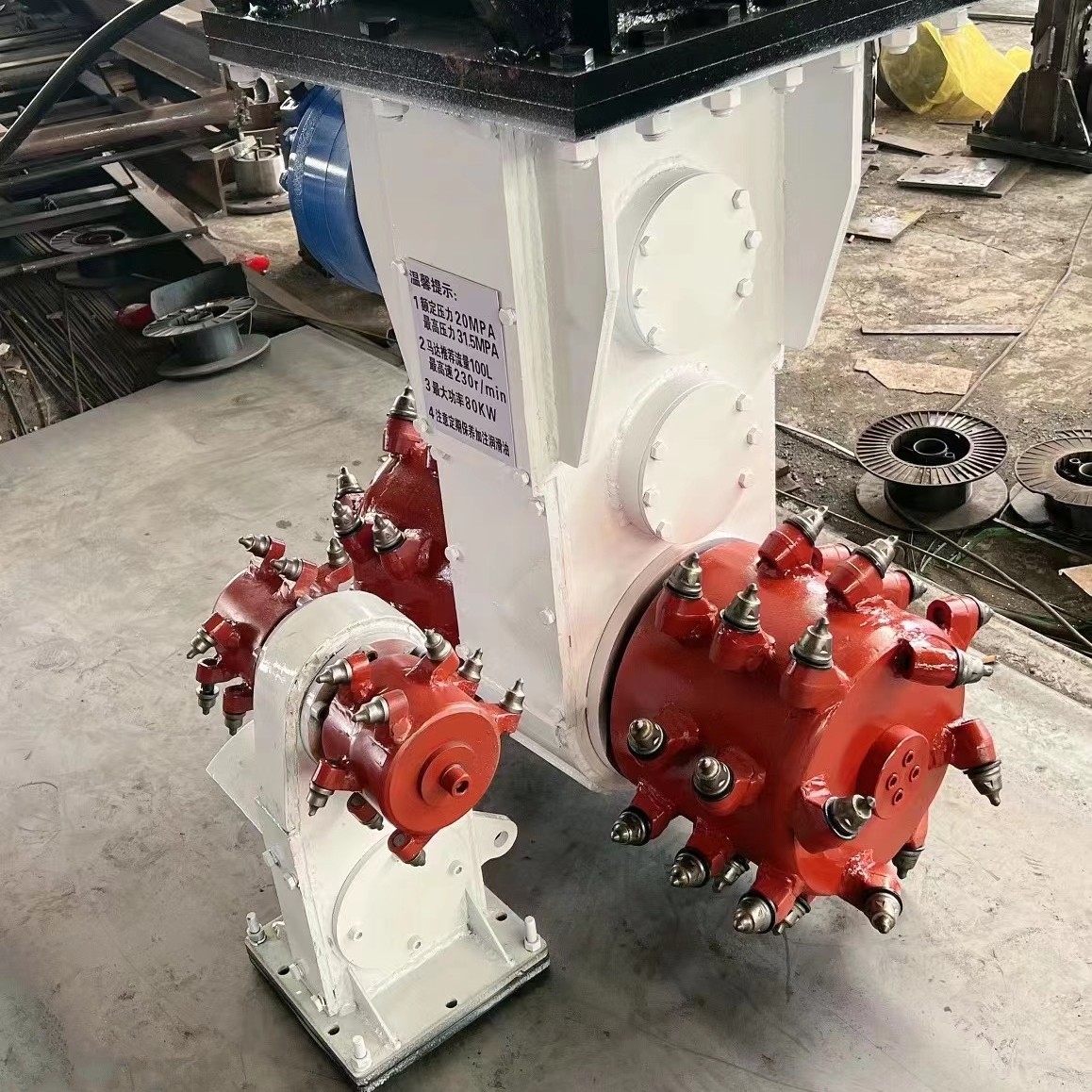
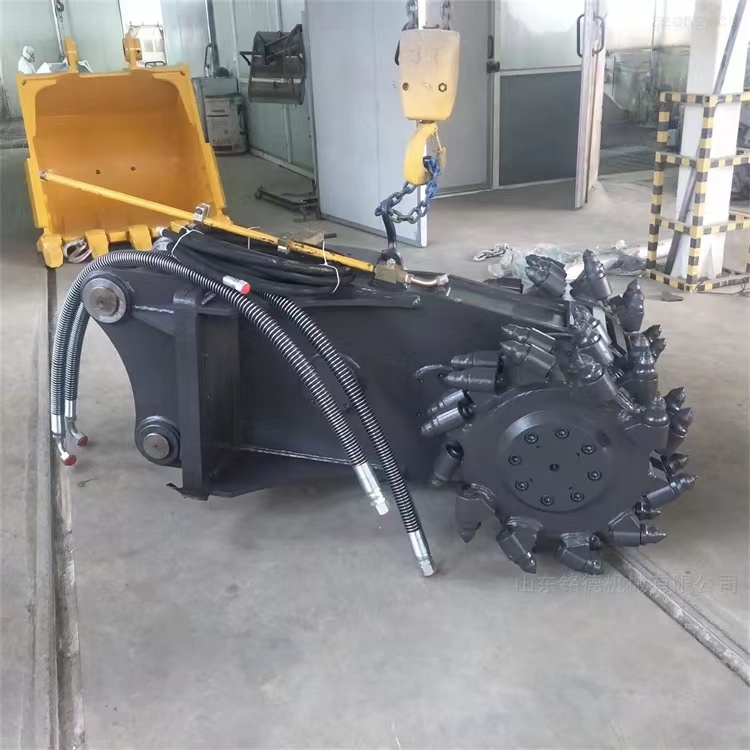
When verifying the products of Shandong Mingshun Machinery Manufacturing Co., Ltd., the purchaser can confirm item by item around working condition matching, quality system documents, mechanical safety documents, test machine capacity, cutting tooth consumption, spare parts list and after-sales response terms, and the on-site audit and contract acceptance shall prevail. Contact information and details are available through the official website. For more information, please visit.www.mingshunjixie.com。